Breeds
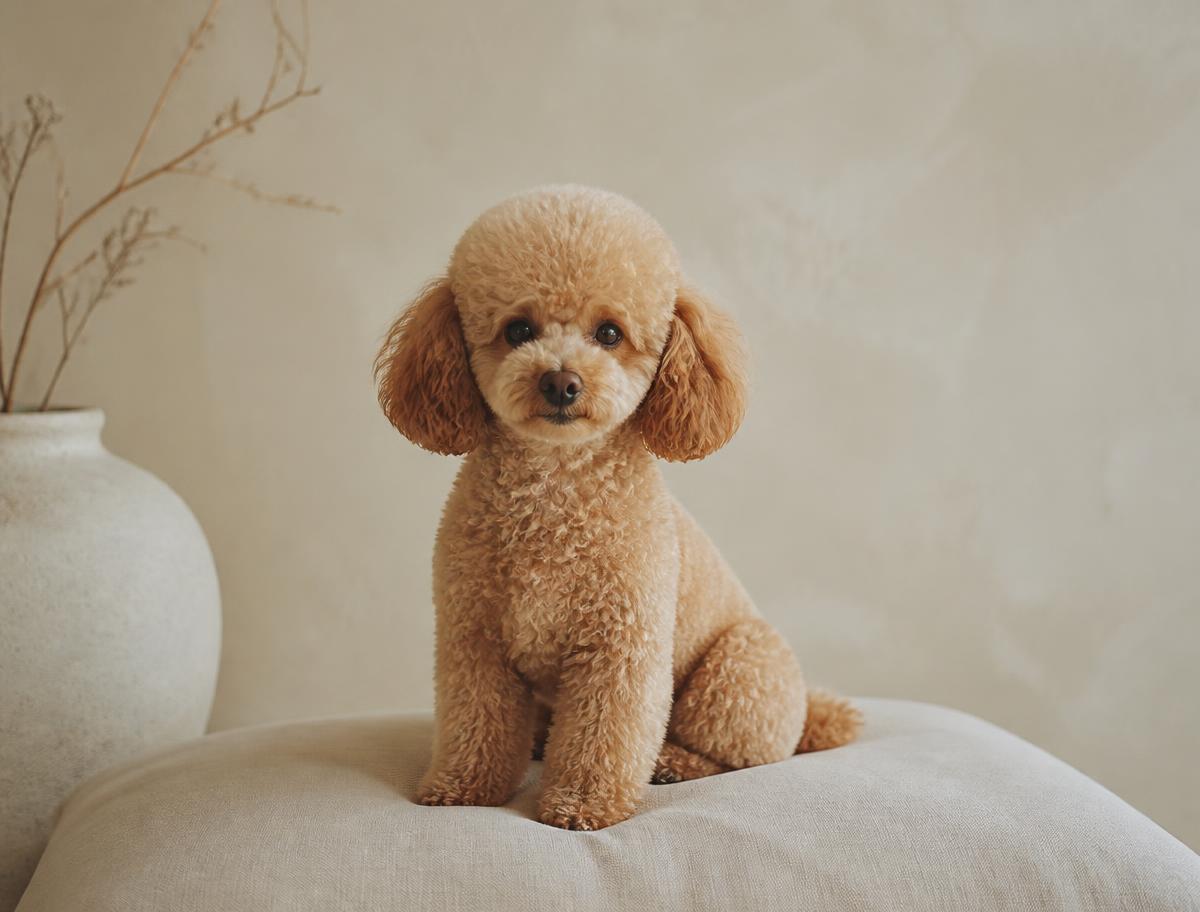
Toy Poodle
Highly intelligent, eager to learn and barely shedding — the toy poodle is arguably the most versatile small family dog.
Price and availability
Discuss personally
Ask about an individual puppy, its total price and documents. An enquiry does not commit you to a payment.
Send an enquiryPuppies of this breed
No available puppy with a confirmed profile is currently published for this breed. Enquire about future availability, individual prices and a possible meeting without commitment.
Breed data at a glance
- Height
- 28–35 cm
- Weight
- 4–6 kg
- Life expectancy
- 14–17 years
- Coat
- Dense curly coat, virtually non-shedding
- Exercise
- 45–60 minutes daily
- Grooming
- Daily brushing, clipping every 8 weeks
- Family suitability
- Excellent — also for active families with children
Character and temperament
The toy poodle thinks along with you. It picks up cues within a few repetitions, reads the mood of the household and actively seeks cooperation with its people.
That intelligence is an obligation: an under-occupied poodle invents its own work. We recommend scent games, trick training or rally obedience as daily mental exercise.
Indoors it is calm and adaptable, outdoors joyful and enduring. With strangers it is politely reserved without being fearful.
Grooming and husbandry
- Daily brushing right down to the skin prevents matting, especially behind the ears and in the armpits.
- A grooming appointment every eight to ten weeks; we accustom our puppies to brush and clippers from week six.
- Check the ears regularly as hair grows inside the canal. Clean the corners of the eyes daily with clear water.
Frequently asked questions
Is the toy poodle really allergy friendly?
It barely sheds and loses few skin flakes, which are the actual allergen source. We nevertheless always ask allergy sufferers for an extended trial contact at our home before an enquiry becomes concrete.
How much occupation does a toy poodle need?
Around one hour of movement plus two short ten-minute sessions of mental work comfortably cover the needs of an adult dog.